Cancer care begins long before a patient reaches a specialist’s clinic. In many cases, the journey starts with a family physician—the trusted healthcare professional who knows the patient, understands their medical history, and is often the first to identify subtle warning signs of a potentially serious condition.
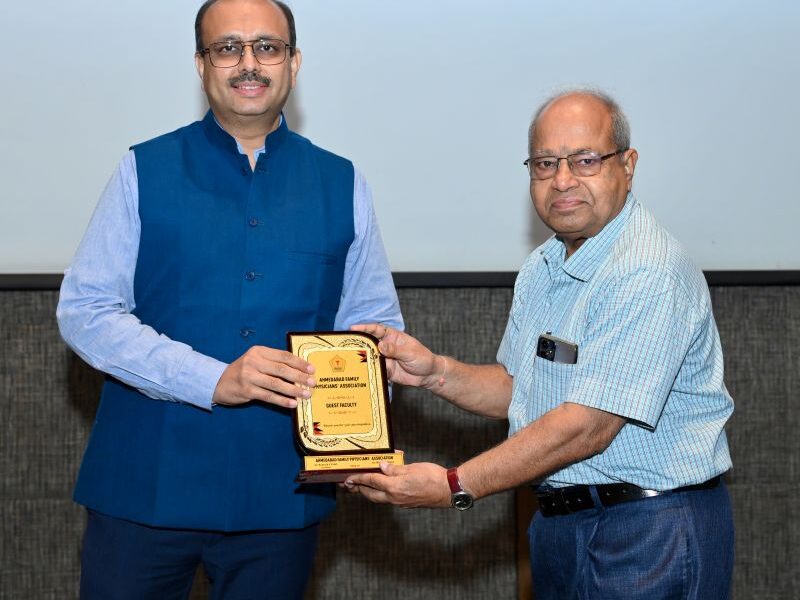
It was a privilege to participate in a highly interactive and insightful academic session jointly organized by HCG Aastha Cancer Centre and the Ahmedabad Family Physician Association (AFPA). The event brought together a dedicated group of family physicians committed to enhancing their understanding of cancer detection and improving patient outcomes through timely intervention.
The session served as an important reminder of the pivotal role primary care physicians play in the early diagnosis and management of cancer, particularly in the field of head and neck oncology.
Family Physicians: The First Line of Defense Against Cancer
Family physicians occupy a unique position within the healthcare system. They are often the first medical professionals patients consult when they experience symptoms such as a persistent mouth ulcer, throat discomfort, voice changes, neck swelling, or unexplained weight loss.
Because of their long-standing relationships with patients, family physicians are uniquely equipped to identify subtle changes in health that may otherwise go unnoticed.
In the context of cancer care, this role becomes even more critical. Early recognition of suspicious symptoms can significantly reduce diagnostic delays and improve treatment outcomes. Numerous studies have demonstrated that cancers detected at an early stage are associated with higher cure rates, less intensive treatment, and better quality of life for patients.
Focus on Head and Neck Cancer Awareness
The primary focus of our discussion was the recognition of practical clinical red flags associated with head and neck cancers.
Head and neck cancers often present with symptoms that can be mistaken for common benign conditions. Persistent mouth ulcers, unexplained neck lumps, difficulty swallowing, chronic hoarseness, one-sided throat pain, or non-healing oral lesions may initially appear harmless but can occasionally represent an underlying malignancy.
During the session, we explored:
- Early warning signs of oral cancer
- Red flags for throat and laryngeal cancers
- Common presentations of thyroid malignancies
- Importance of evaluating persistent neck swellings
- High-risk patient populations
- Strategies for reducing diagnostic delays
- Appropriate referral pathways for specialist evaluation
The objective was to equip family physicians with practical tools that can be applied in everyday clinical practice to facilitate earlier detection and intervention.
Addressing Common Diagnostic Delays
One of the most valuable aspects of the session was the discussion surrounding diagnostic delays.
In head and neck oncology, delays may occur for several reasons:
- Patients ignoring symptoms
- Misattribution of symptoms to infections or inflammation
- Delayed specialist referral
- Lack of awareness regarding cancer warning signs
These delays can allow cancers to progress to more advanced stages before diagnosis.
Through case-based discussions and interactive dialogue, we examined how primary care physicians can play a crucial role in shortening the interval between symptom onset and specialist assessment.
Even a simple decision to investigate a persistent symptom or refer a patient for further evaluation can have a profound impact on outcomes.
Encouraging Meaningful Academic Exchange
One of the highlights of the program was the exceptional level of engagement from participating physicians.
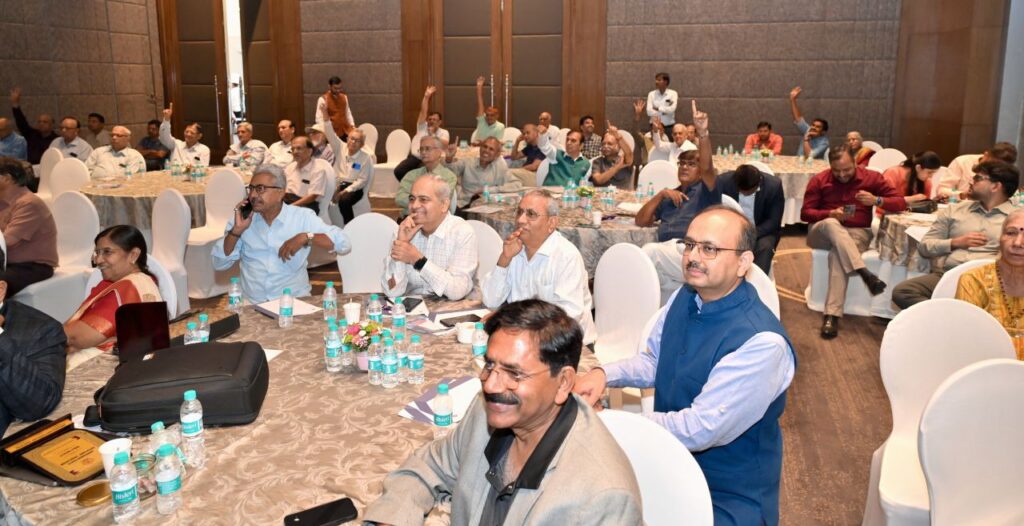
The thoughtful questions, practical clinical scenarios, and shared experiences reflected the growing strength and maturity of primary care practice in our region.
These academic interactions are invaluable because they create opportunities for knowledge exchange between specialists and primary care providers. They also help bridge gaps in understanding and foster a more coordinated approach to patient care.
The enthusiasm demonstrated by attendees reinforced a common goal shared by all healthcare professionals: delivering the best possible outcomes for patients.
Why Collaboration Matters in Modern Cancer Care
Modern cancer treatment is increasingly multidisciplinary. Successful outcomes depend not only on advances in surgery, radiation therapy, and systemic treatments but also on effective collaboration across all levels of healthcare.
Family physicians and specialists must work together to:
- Promote cancer awareness
- Encourage timely investigations
- Facilitate early diagnosis
- Streamline referral pathways
- Support patients throughout their treatment journey
Strong communication between primary care and oncology teams helps ensure that patients receive the right care at the right time.
This collaborative model is particularly important in head and neck cancers, where early diagnosis can significantly influence survival rates and functional outcomes.
Looking Ahead
As healthcare continues to evolve, educational initiatives that connect primary care physicians with specialists will remain essential.
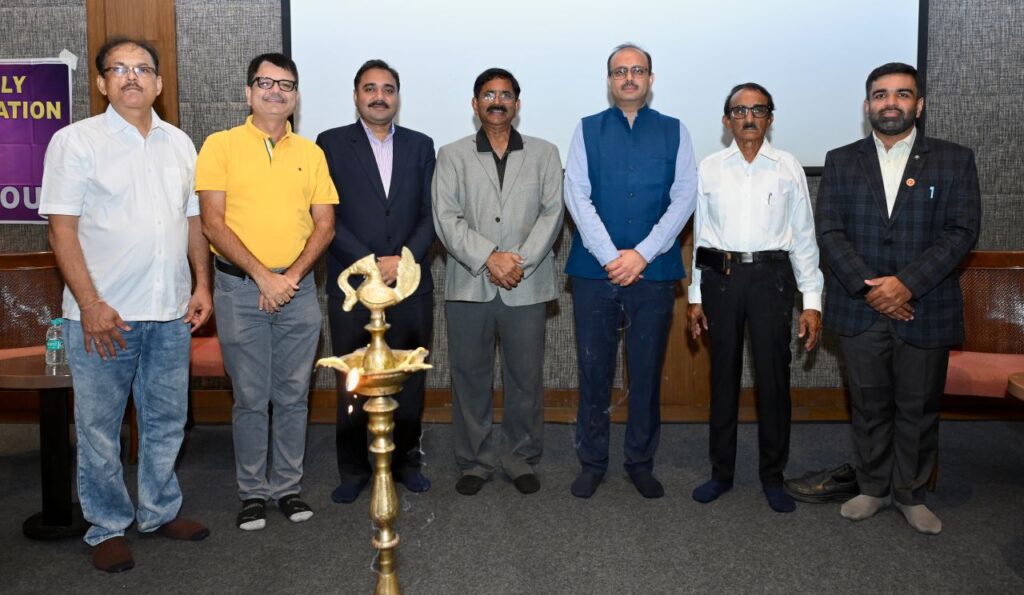
Academic programs such as this not only enhance clinical knowledge but also strengthen professional relationships and create a shared commitment to improving patient care.
By empowering family physicians with greater awareness of cancer warning signs and referral strategies, we can collectively work toward reducing delays in diagnosis and improving outcomes for patients across our communities.
Acknowledgments
I would like to express my sincere gratitude to:
- Dr. Ramesh Patel, President, Ahmedabad Family Physician Association
- Dr. Mehul Shelat, Secretary, Ahmedabad Family Physician Association
- Dr. Pragnesh Vachharajani, Treasurer, Ahmedabad Family Physician Association
for their leadership, vision, and efforts in organizing this meaningful academic exchange.
A special acknowledgment is also due to:
- Dr. Kaustubh Patel
- Dr. Aditya Joshipura
- Mr. Sanjeev Dhavan
for their valuable brainstorming, planning, and contributions in thoughtfully shaping this program.
Final Thoughts
Cancer care is most effective when it begins early. Family physicians remain at the forefront of this effort, serving as the critical link between patients and specialist care.
The success of this academic session reinforces the importance of continued collaboration between primary care and oncology. Together, we can improve awareness, promote earlier diagnosis, and ultimately help more patients receive timely, life-saving treatment.
By strengthening these partnerships, we move one step closer to achieving better cancer outcomes for every patient we serve.
About the Author
Dr. Dushyant Mandlik is a Head & Neck Cancer Surgeon specializing in oral cancer, throat cancer, thyroid cancer, salivary gland tumors, and complex head and neck surgeries. He is committed to advancing cancer awareness, medical education, and multidisciplinary collaboration to improve early diagnosis and treatment outcomes for patients with head and neck cancers.