Introduction
Undergoing head and neck cancer surgery is a significant medical event, and understanding what lies ahead can make all the difference in your recovery journey. As a head and neck surgical oncologist, I’ve guided countless patients through this process, and knowledge truly empowers healing.
Every patient’s recovery is unique, shaped by factors such as the type of cancer, the extent of surgery, whether reconstruction was needed, and your overall health. Some patients undergo minimally invasive procedures, while others require extensive operations involving tissue removal and reconstruction.
Setting realistic expectations is crucial – not just for patients, but for family members and caregivers who provide essential support during recovery. This guide will walk you through each phase of recovery, helping you understand what to expect and when to seek help.
Immediate Post-Surgery Phase (First 24–72 Hours)
Recovery Room and ICU Monitoring
Immediately after surgery, you’ll wake up in the recovery room or intensive care unit (ICU). This close monitoring is standard practice, especially after major oncological procedures. Our medical team continuously watches vital signs – heart rate, blood pressure, oxygen levels, and breathing patterns.
You may feel groggy from anesthesia, and communication might be challenging, particularly if a tracheostomy tube is in place. Nurses and doctors are trained to understand your needs through gestures, writing, or communication boards.
Pain Management and Tubes
Pain control is a top priority using intravenous medications and patient-controlled analgesia (PCA) pumps. Don’t be alarmed by various tubes and drains – each serves an important purpose:
- Feeding tubes ensure adequate nutrition while your throat heals
- Tracheostomy provides a secure airway and helps manage secretions
- Surgical drains remove excess fluid and blood from the surgical site
We encourage gentle movement even within the first 24 hours, including deep breathing exercises, leg movements to reduce blood clot risk, and gradual head elevation as tolerated.
Early Hospital Recovery (Days 3–7)
As you stabilize, you’ll typically move from the ICU to a regular hospital ward. By the end of the first week, many tubes may be removed as drainage becomes minimal, though feeding tubes typically remain longer.
Nutrition and Swallowing
Most patients begin receiving specialized nutritional formulas through their feeding tube. If swallowing assessments are favorable, you may begin with small amounts of water, progressing to thickened liquids and eventually pureed foods.
Our speech-language pathologists perform bedside swallowing evaluations and may conduct modified barium swallow studies to determine which consistencies are safe for you.
Wound Care
Your surgical incisions require meticulous care including daily inspection for signs of infection, gentle cleaning as directed, and keeping the area dry and protected. Infection prevention also includes hand hygiene and completing any prescribed antibiotics.
First Few Weeks After Discharge (Weeks 1–4)
Most external stitches or staples are removed within 7-14 days during your follow-up appointment. During this period, incision lines may appear red and raised – this is normal.
Managing Discomfort
Some discomfort persists for several weeks, but should gradually diminish. You might experience moderate neck or shoulder pain, swelling that slowly resolves, and stiffness in the neck or jaw. Persistent or worsening pain warrants immediate medical attention.
Diet and Therapy
Your diet will advance based on healing progress and swallowing function. Working with a nutritionist ensures you’re meeting your caloric and protein needs, which are often elevated during recovery.
Speech therapy typically begins shortly after discharge, focusing on exercises to strengthen swallowing muscles, compensatory strategies for safer eating, and voice exercises if speech was affected. Consistency with these exercises directly impacts how quickly your function returns.
Fatigue and Follow-Up
Most patients experience profound fatigue during the first month – this is your body directing energy toward healing. Listen to your body and don’t push yourself too hard. Follow-up appointments are typically scheduled within 1-2 weeks of discharge to monitor healing and address concerns.
Functional Recovery Phase (Weeks 4–8)
This period often brings noticeable functional gains including progressive improvement in swallowing, expanding diet variety, and improved voice quality. However, recovery is not linear – some days will feel better than others.
Physical Therapy and Emotional Adjustment
Surgeries involving neck dissection often affect shoulder function. Physical therapy addresses range of motion exercises, strengthening programs, and pain management techniques. Early intervention produces the best outcomes.
The psychological impact is significant. Patients commonly experience anxiety about recovery progress, depression related to functional changes, and frustration with the pace of healing. These feelings are valid – consider joining support groups or seeking professional counseling if emotional distress becomes overwhelming.
Recovery After Reconstructive Surgery
Reconstructive procedures add complexity to your recovery. Free flaps require meticulous monitoring to ensure adequate blood flow, while donor sites (forearm, thigh, chest, or fibula) have specific recovery considerations.
Scars evolve significantly over months, initially appearing red and raised, then gradually fading over 12-18 months. Reconstructive surgery outcomes continue improving for many months – the final result isn’t apparent for at least 6-12 months after surgery.
Long-Term Recovery (2–6 Months and Beyond)
Most patients experience continued functional gains well beyond the initial recovery period. Swallowing efficiency improves, speech becomes clearer, and physical strength gradually approaches pre-surgery levels.
As oral intake increases, feeding tubes may be removed (typically between 2-6 months post-surgery), weight stabilizes, and energy levels improve. Many patients return to work within 2-3 months, though this varies based on type of work, extent of surgery, and need for additional treatments.
Some changes may be permanent – altered voice quality, modified diet, changes in appearance, or sensory changes like numbness. What matters most is finding strategies that help you live fully despite these changes.
Possible Side Effects and When to Seek Help
Common side effects include voice alterations, swallowing difficulties, dry mouth, shoulder stiffness, and altered sensation or numbness. Speech therapy and physical therapy offer techniques to maximize your function despite these changes.
Contact your surgical team immediately if you experience:
- Fever above 101°F (38.3°C)
- Increasing redness, warmth, or drainage from incisions
- New or worsening difficulty breathing
- Sudden severe pain not controlled by medications
- Signs of bleeding or new swelling
- Inability to tolerate tube feedings
Follow-Up Care and Surveillance
Consistent follow-up care is critical for early detection of cancer recurrence, management of complications, and coordination of additional treatments if needed. Your surveillance protocol typically includes physical examinations, flexible nasopharyngoscopy, and CT or MRI scans at regular intervals.
Many patients require additional therapy after surgery, such as radiation or chemotherapy. Our multidisciplinary team works together to optimize timing and coordinate care for the best outcomes.
Tips to Support a Smooth Recovery
Adhere to Rehabilitation Plans: Your therapy programs directly influence your functional outcomes. Attend all sessions and practice exercises at home as prescribed.
Prioritize Nutrition: Healing requires high-protein intake (1.2-1.5 grams per kilogram body weight) and adequate calories. Stay well-hydrated and take prescribed supplements.
Maintain Wound Care: Keep incisions clean and dry, follow specific cleaning instructions, and report any concerning changes immediately.
Avoid Tobacco and Alcohol: Both significantly impair wound healing, increase complication risk, and substantially increase the risk of cancer recurrence.
Build Your Support System: Involve family and friends, accept help with practical needs, and connect with other survivors who understand your experience.
Frequently Asked Questions
How long does recovery take? Initial hospital recovery takes 3-10 days, return to light activities 4-6 weeks, functional recovery plateau 3-6 months, with continued improvement up to 12-18 months.
When can I eat normally? This depends on your specific surgery and swallowing function. Some patients resume a normal diet within weeks, while others require several months of dietary modifications. Feeding tube removal typically occurs at 2-6 months when you can meet nutritional needs orally.
Will my speech return to normal? Many patients experience significant speech improvement over time. Some residual voice changes are common, but speech therapy helps maximize your communication abilities.
When can I resume work or travel? Desk jobs often resume at 6-8 weeks post-surgery, while physically demanding work may require 3-6 months or longer. Discuss specific plans with your surgical team.
Conclusion
Recovery from head and neck cancer surgery is truly a marathon, not a sprint. The journey requires patience, persistence, and trust in the process. While the early weeks may feel overwhelming, most patients are amazed at their progress after several months.
Your body has remarkable healing capabilities, and with proper support, rehabilitation, and medical care, significant functional recovery is possible. Each small improvement represents a meaningful step forward.
Remember that recovery is not a solitary endeavor. Your surgical team, rehabilitation specialists, nutritionists, and support network all play vital roles. As your surgeon, I’m committed to guiding you through every phase of this process.
Healing takes time, but with each passing day, you’re moving closer to reclaiming your life after cancer. Stay patient with yourself, celebrate small victories, and know that your dedication to recovery makes all the difference.
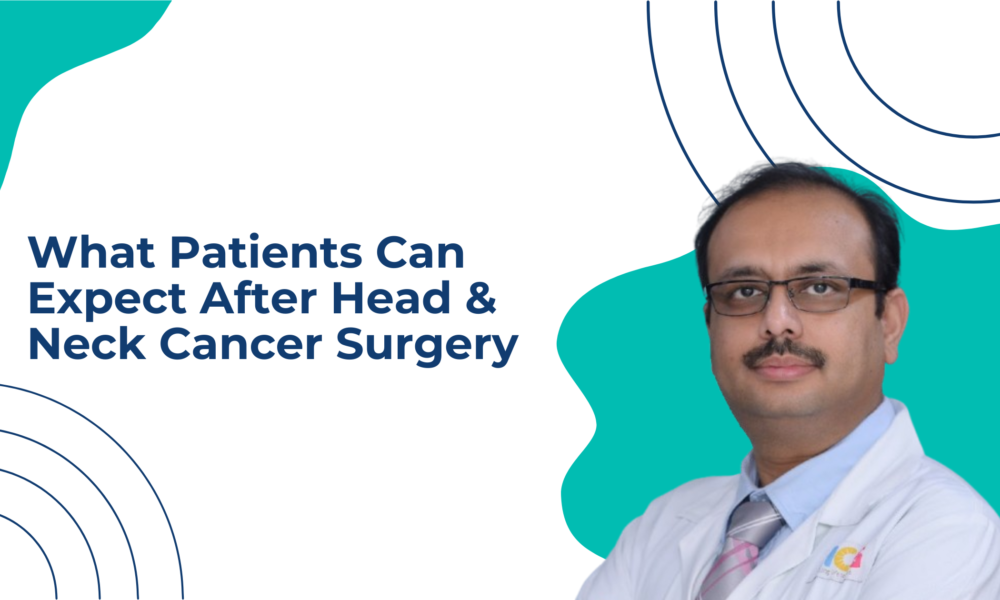
Dr. Dushyant Mandlik is a head and neck surgical oncologist in ahmedabad dedicated to providing comprehensive cancer care and supporting patients through every stage of their treatment and recovery journey.