Service Category: Head & Neck Cancer Surgery

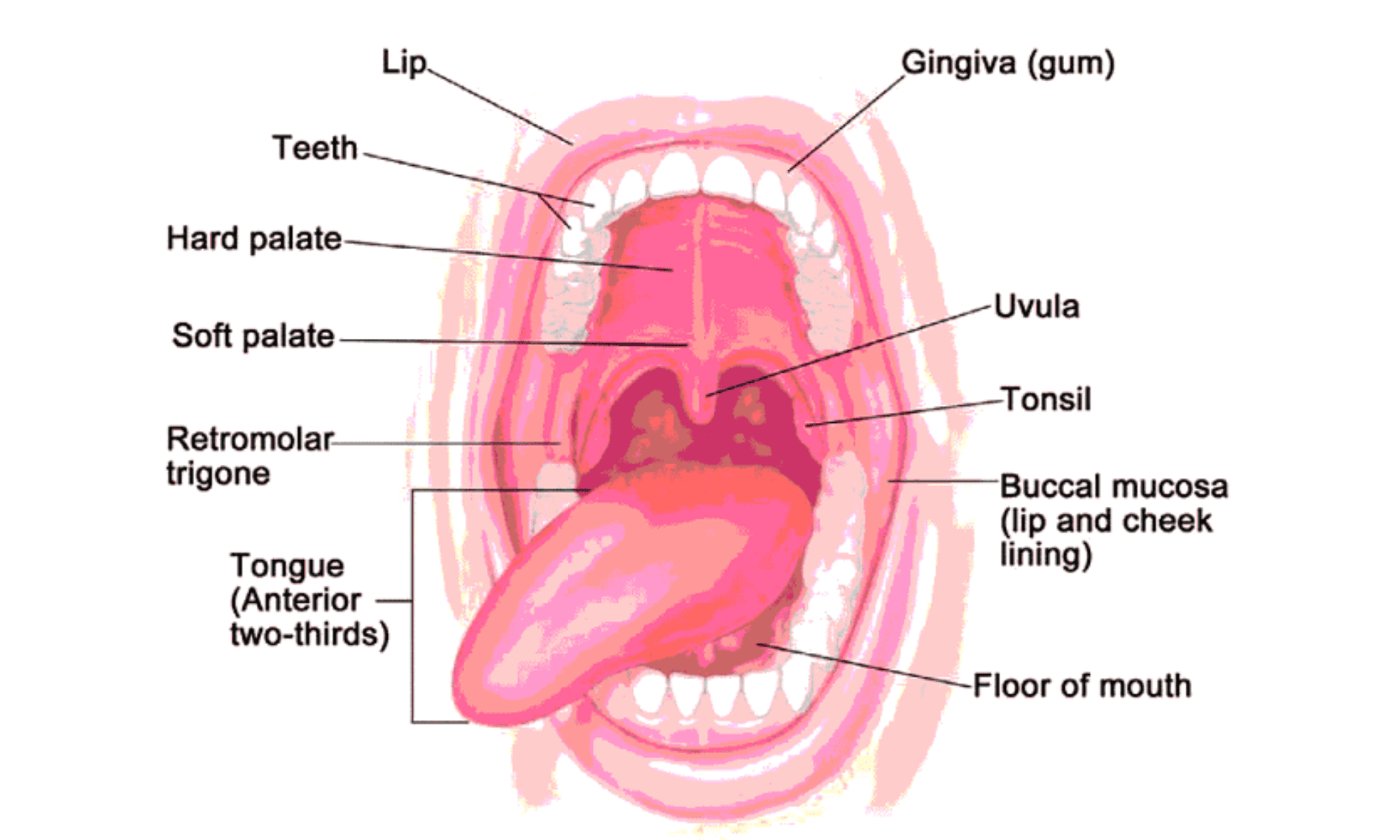
Oral cancer is a serious condition that affects the mouth, tongue, cheeks, lips, and throat. It often develops due to tobacco use, excessive alcohol consumption, HPV infection, or prolonged sun exposure (for lip cancer). Surgery is one of the primary treatments, especially when cancer is detected early. Early diagnosis and timely intervention improve survival rates and quality of life.

Condition We Treat

Our head and neck surgery team provides expert care for a wide range of conditions, including:

Cancerous and Non-Cancerous Tumors
  • Oral cavity cancer (mouth cancer)
  • Oropharyngeal cancer (throat cancer)
  • Laryngeal cancer (voice box cancer)
  • Salivary gland tumors
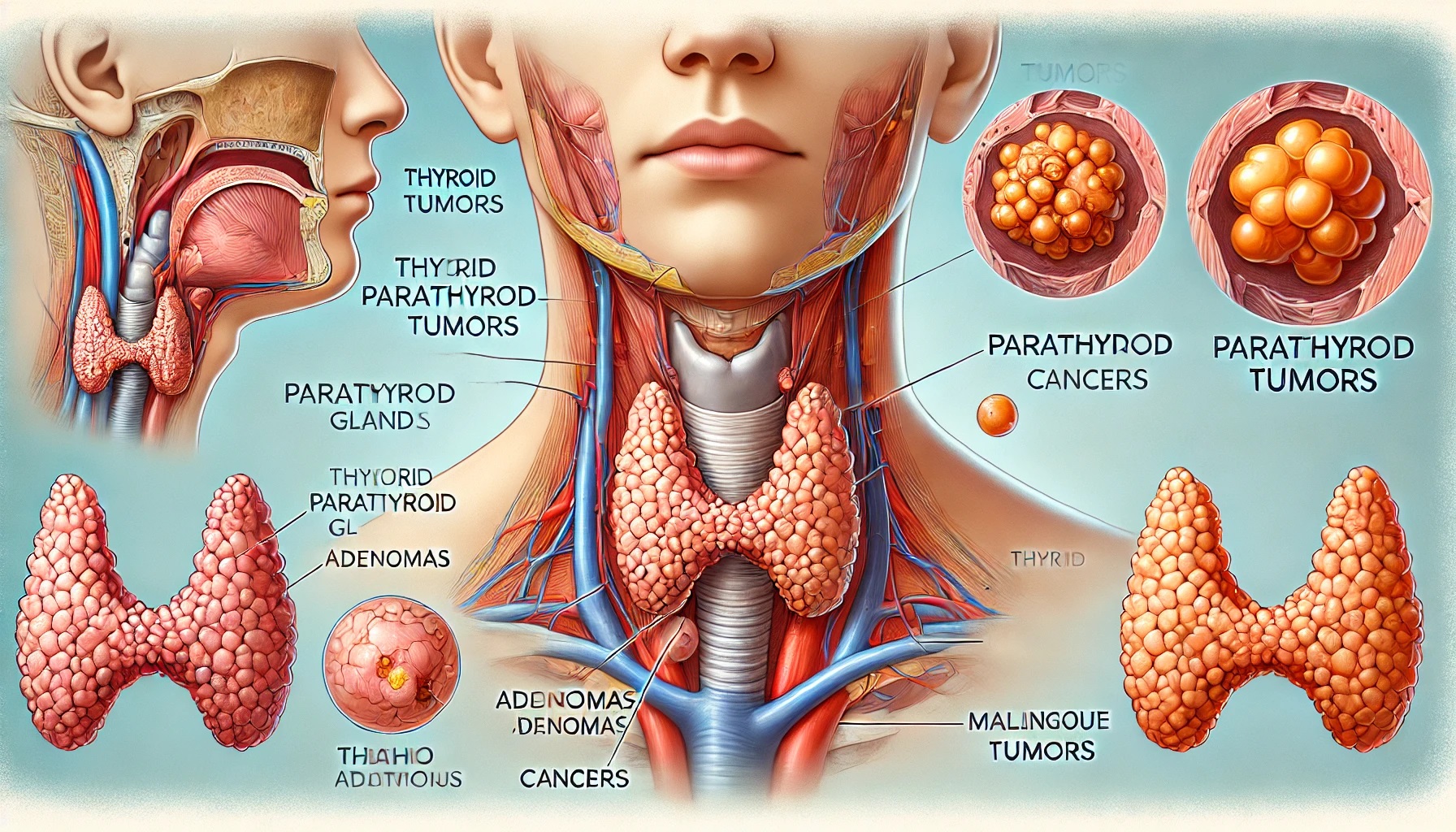
  • Thyroid and parathyroid tumors
  • Skin cancers of the head and neck
slider1-bg02.jpg

Recovery and Post-Surgery Care

Comprehensive diagnostic and surgical care tailored to each patient’s needs.

The Surgical Procedure

Dr. Dushyant Mandlik specializes in advanced head and neck surgical procedures, using cutting-edge techniques to ensure the best outcomes for his patients.

01

Anesthesia

✔ General anesthesia is administered to ensure the patient is unconscious during the procedure.

02

Surgery Duration

✔ Depending on complexity, the procedure may last 2-12 hours.
03

Hospital Stay

✔ Patients may stay in the hospital for a few days to a few weeks, depending on the extent of surgery and reconstruction.

Pre-Surgical Preparation

  • Medical Evaluations: Blood tests, imaging scans, and overall health assessment to determine fitness for surgery.

  • Lifestyle Changes: Patients are advised to stop smoking and drinking alcohol to improve healing and reduce complications.
  • Nutrition: A balanced diet with high-protein intake supports recovery.
product

Types of Oral Cancer Surgery

Tumor Resection
  • The primary method where surgeons remove the tumor along with a margin of healthy tissue to prevent recurrence.
Mandibulectomy (Jawbone Surgery)
  • In cases where cancer affects the jawbone, part or all of the jaw may be removed and reconstructed.
Maxillectomy (Removal of Upper Jaw)
  • If cancer affects the upper jaw, a portion or the entire maxilla may be removed. Prosthetics may be used for reconstruction.
Glossectomy (Tongue Removal)
  • Partial glossectomy removes a portion of the tongue.
  • Total glossectomy removes the entire tongue, requiring reconstructive surgery for speech rehabilitation.
Neck Dissection (Lymph Node Removal)
  • If cancer has spread to lymph nodes in the neck, a neck dissection is performed to remove affected nodes and prevent further spread.
Reconstructive Surgery
  • After tumor removal, reconstruction is often necessary to restore appearance and functionality. Techniques include skin grafts, bone grafts, and prosthetics.

FAQs on Oral Cancer Surgery

Recovery varies from a few weeks to months, depending on the complexity of the surgery.

Some patients may require feeding tubes temporarily, but most can return to a normal diet with therapy. minimally invasive procedures.

Yes, but reconstructive procedures can minimize visible scarring.low-ups.

Regular follow-ups, lifestyle changes, and additional treatments (if needed) help reduce recurrence risks.
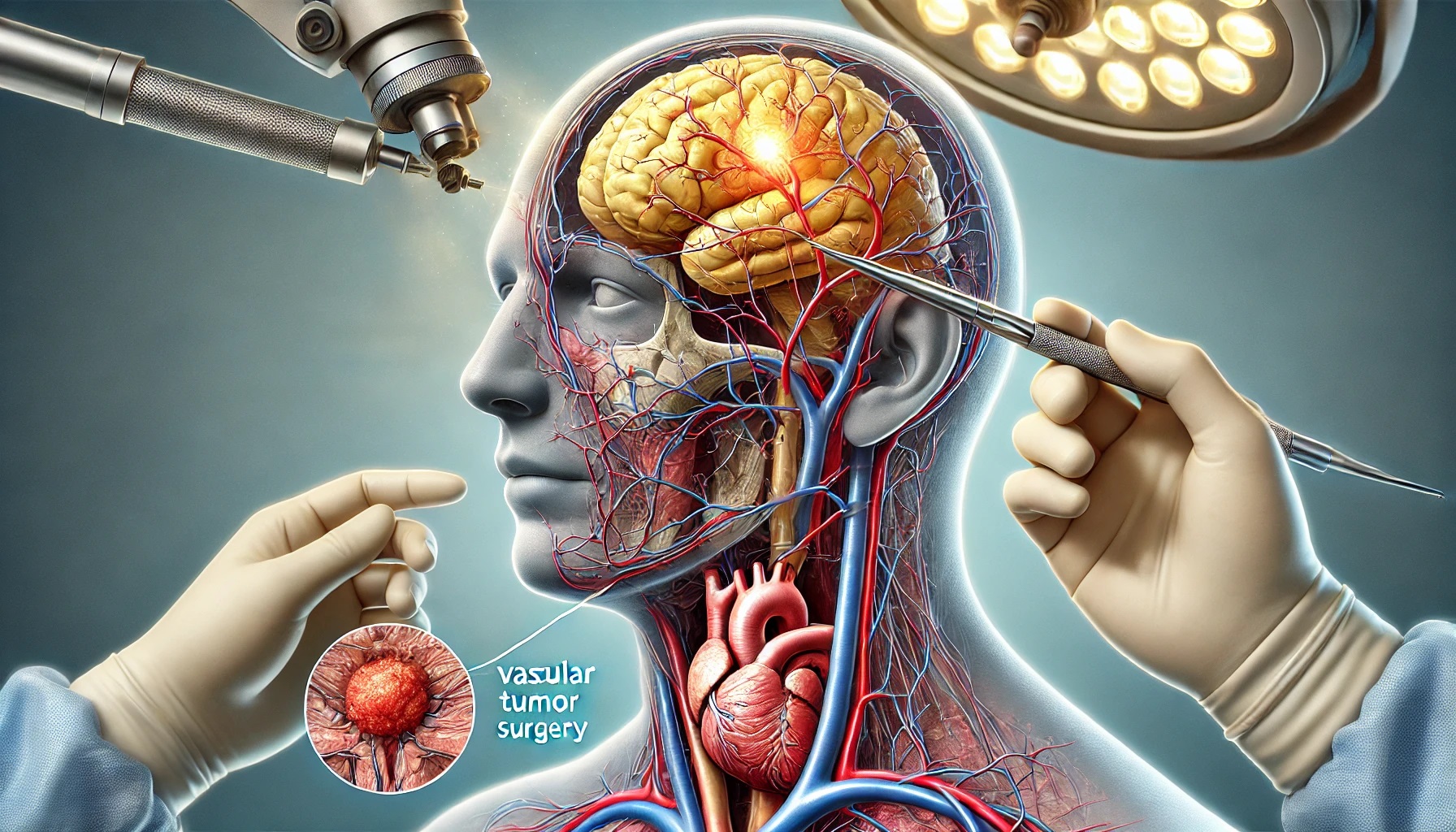
Vascular tumors of the head and neck are abnormal growths originating from blood vessels in the head and neck region. While many are benign and self-limiting, some can be aggressive, causing significant symptoms and complications.

Types of Vascular Tumors in the Head and Neck

Infantile Hemangiomas
  • Most common vascular tumors in infants and children.
  • Typically appear as a red or bluish mass on the face or neck.
  • Often regress spontaneously but may require treatment if they interfere with breathing, vision, or feeding.
– Vascular Malformations
  • Present from birth and grow proportionally with the child.
  • Include capillary, venous, lymphatic, and arteriovenous malformations.
  • Symptoms vary from mild cosmetic concerns to significant bleeding or airway obstruction.
Nasopharyngeal Angiofibromas
  • Benign but locally aggressive tumors mostly affecting adolescent males.
  • Symptoms include nasal obstruction, recurrent nosebleeds, and facial swelling.
  • Can extend to the skull base, requiring a multidisciplinary approach for management.
Glomus Tumors (Paragangliomas)
  • Rare, usually benign tumors found near the carotid artery, jugular vein, and along cranial nerves.
  • Symptoms include a pulsating neck mass, hearing loss, tinnitus, and voice changes.
  • May require surgical excision or radiotherapy, depending on the size and location.

Symptoms of Vascular Tumour Cancer

  • Neck Masses: Painless but progressively enlarging.
  • Nasal Blockage: Persistent and associated with nosebleeds.
  • Voice Changes: Hoarseness or difficulty speaking.
  • Ear Symptoms: Hearing loss, pulsatile tinnitus.
  • Facial Nerve Weakness: If tumors compress cranial nerves.
slider1-bg02.jpg

Diagnostic Approach

Early detection is crucial for effective treatment. Diagnostic methods include:

01

Clinical Examination

✔ Detailed head and neck assessment.

02

Imaging Studies & Angiography

✔ Ultrasound, MRI, or CT scan for precise localization and evaluation of vascular involvement.
✔ Useful for surgical planning and assessing blood flow.
03

Biopsy

✔ Typically avoided for highly vascular tumors due to bleeding risk. If necessary, performed under controlled conditions.

Treatment Options

Observation:
  • Small, asymptomatic lesions may be monitored regularly.
Medical Management:
  • Beta-blockers, corticosteroids, or sirolimus for shrinking hemangiomas.
Embolization:
  • Pre-surgical procedure to reduce blood flow and minimize bleeding during surgery.
Surgical Resection:
  • Recommended for symptomatic, rapidly growing, or cosmetically disfiguring tumors.
Radiotherapy:
  • For tumors that are inoperable or have malignant potential.

Multidisciplinary Care

Effective management of vascular tumors of the head and neck often requires a team approach, including:

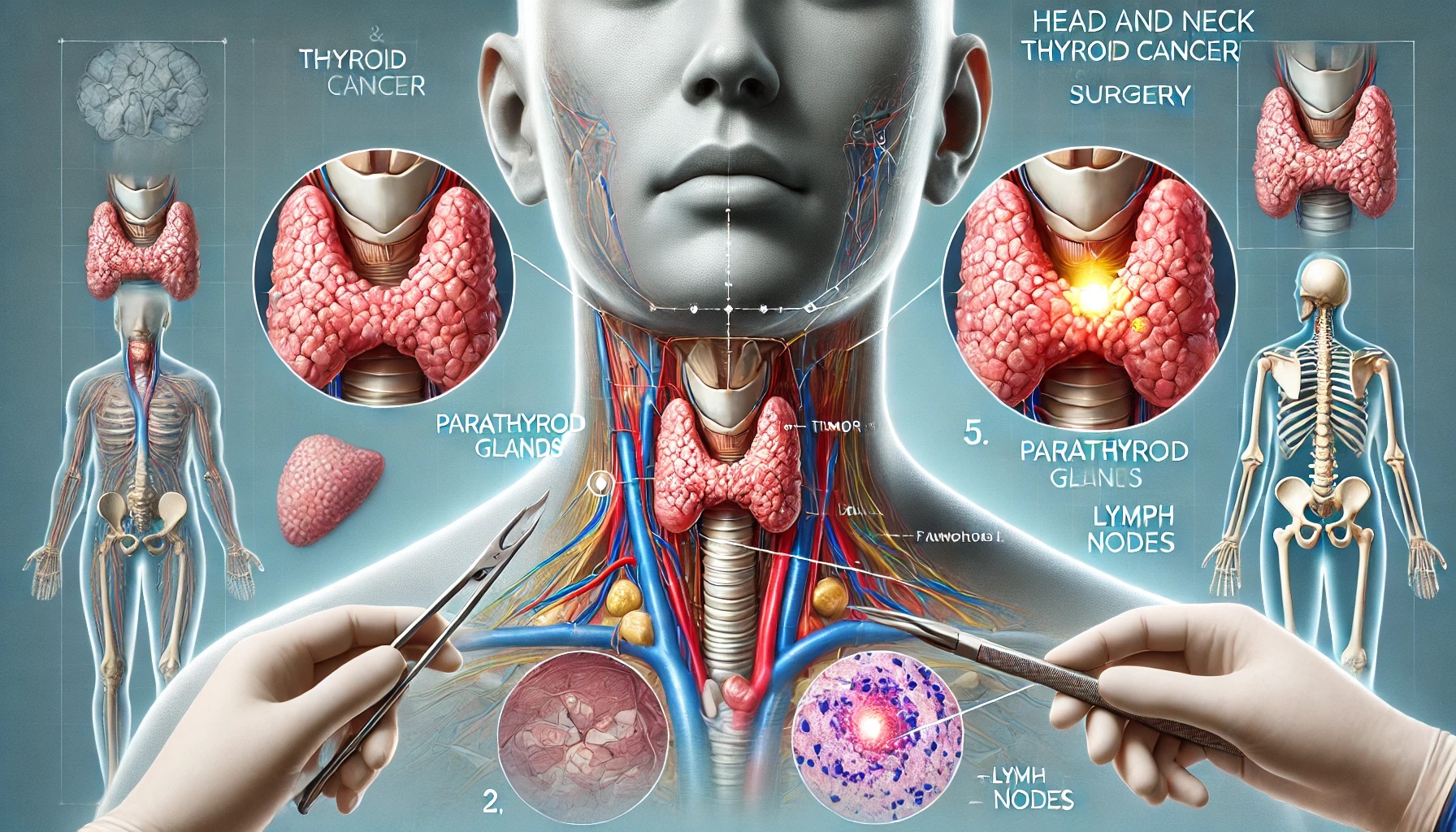
Thyroid cancer originates in the thyroid gland, a butterfly-shaped organ located at the base of the neck. This gland produces hormones that regulate metabolism, body temperature, blood pressure, and heart rate. While thyroid cancer is relatively uncommon, it is generally highly treatable with an excellent cure rate.

Types of Thyroid Cancer

–  Papillary Thyroid Cancer:

 The most prevalent form, accounting for approximately 80% of cases. It typically affects younger individuals and is more common in women. Papillary thyroid cancer usually grows slowly and often spreads to lymph nodes in the neck. Early detection leads to a high treatment success rate.

– Follicular Thyroid Cancer:

Comprises about 10-15% of thyroid cancers. It tends to occur in middle-aged adults and can spread to other body parts, such as bones and lungs.

– Medullary Thyroid Cancer

Accounts for approximately 2% of thyroid cancers. It arises from the thyroid’s C cells, which produce the hormone calcitonin. This type can be sporadic or associated with genetic syndromes.

– Anaplastic Thyroid Cancer:

A rare and aggressive form, making up about 1% of cases. It typically occurs in individuals over 60 and is challenging to treat due to its rapid growth and spread.

– Thyroid Lymphoma:

An uncommon type originating from the immune system cells within the thyroid gland. It usually presents in older adults and requires specialized treatment approaches.

Symptoms of Thyroid Cancer

Thyroid cancer may not present noticeable symptoms initially. As it progresses, individuals might experience:

Risk Factors

Several factors may increase the risk of developing thyroid cancer:
  • Gender: Women are more susceptible than men.
  • Age: While thyroid cancer can occur at any age, certain types are more common in specific age groups.
  • Radiation Exposure: Previous exposure to high levels of radiation, particularly during childhood, increases risk.
  • Family History: A family history of thyroid cancer or genetic syndromes can elevate risk.
  • Iodine Deficiency: Lack of iodine in the diet has been linked to certain types of thyroid cancer.

Treatment Options

Treatment strategies are tailored based on the type and stage of thyroid cancer:
  • Surgery: The primary treatment for most thyroid cancers involves removing part or all of the thyroid gland (thyroidectomy). Nearby lymph nodes may also be removed if the cancer has spread.
  • Radioactive Iodine Therapy: Utilized after surgery to eliminate any remaining thyroid tissue or microscopic cancer cells. This treatment is particularly effective for papillary and follicular thyroid cancers.
  • Thyroid Hormone Therapy: Prescribed to replace essential hormones and suppress the production of thyroid-stimulating hormone (TSH), which can promote cancer growth.
  • External Radiation Therapy: Employed in cases where surgery isn’t an option or if cancer persists after other treatments.
  • Chemotherapy: Generally reserved for advanced thyroid cancers unresponsive to other treatments.
  • Targeted Therapy: Involves medications that specifically target cancer cell abnormalities, offering a treatment option for cancers that don’t respond to traditional therapies.

Diagnostic Approach

Early detection is crucial for effective treatment. Diagnostic methods include:

01

Physical Examination

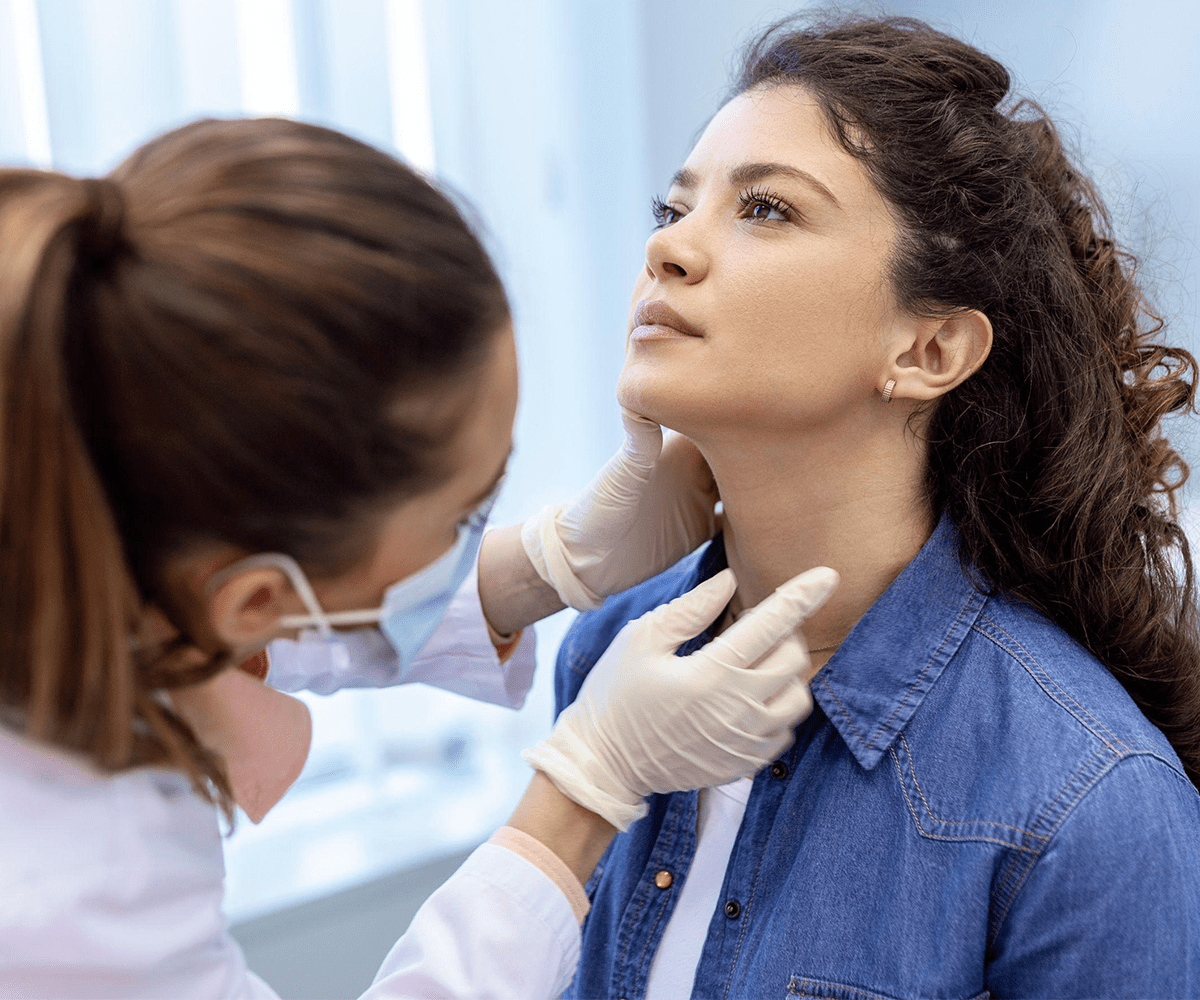
✔ Assessing the neck for lumps or abnormalities.

02

Imaging Tests & Biopsy

✔ Ultrasound, CT scans, or MRIs to visualize the thyroid and surrounding structures.
✔ Fine-needle aspiration to obtain tissue samples for analysis.
03

Blood Tests

✔ Measuring levels of thyroid hormones and other markers.

Prognosis

The outlook for thyroid cancer patients is generally favorable, especially when diagnosed early. Regular follow-ups are essential to monitor for recurrence and manage any long-term effects of treatment.

Preventive Measures

While not all cases are preventable, certain measures can reduce risk:

  • Avoid Unnecessary Radiation: Limit exposure, particularly during childhood.
  • Genetic Counseling: For those with a family history, counseling can provide insights into risk and preventive strategies.
  • Adequate Iodine Intake: Ensuring sufficient iodine in the diet supports thyroid health.

Restoring Function & Quality of Life with Dr. Dushyant Mandlik

Head and neck cancer treatments, including surgery, radiation, and chemotherapy, can affect essential functions such as speech, swallowing, breathing, and facial movements. Dr. Dushyant Mandlik, a leading head and neck cancer surgeon, provides comprehensive rehabilitation services to help patients regain function, confidence, and an improved quality of life after cancer treatment.

Comprehensive Rehabilitation Services

1. Speech & Voice Rehabilitation:
  • Voice Therapy: Helps patients regain speech after laryngeal or throat cancer surgery.
  • Tracheoesophageal Voice Prosthesis (TEP): Restores voice after laryngectomy.
  • Electrolarynx Training: Alternative speech rehabilitation for patients without vocal cords.
2. Swallowing & Nutrition Therapy:
  • Dysphagia Therapy: Exercises and techniques to improve swallowing.
  • Modified Diet & Nutritional Support: Guidance on food texture and diet modifications.
  • PEG (Percutaneous Endoscopic Gastrostomy): Nutrition support for patients with difficulty swallowing.
3. Breathing & Airway Management:
  • Tracheostomy Care & Weaning: Specialized support for patients with breathing tubes.
  • Pulmonary Rehabilitation: Improves lung function and oxygenation post-surgery.
4. Jaw & Facial Rehabilitation:
  • Physiotherapy for Jaw Movement: Helps restore mobility after surgery.
  • 3D Prosthetics & Dental Rehabilitation: Restores facial symmetry and function.
  • Microvascular Reconstructive Surgery: Advanced techniques to restore jaw, tongue, and soft tissues.
5. Psychological & Emotional Support:
  • Counseling & Support Groups: Helps cope with emotional and mental challenges.
  • Pain & Fatigue Management: Specialized care for long-term recovery and wellness.

Why Choose Dr. Dushyant Mandlik for Cancer Rehabilitation?

🔹Multidisciplinary Approach: Coordination with speech therapists, physiotherapists, dietitians, and psychologists.
🔹Advanced Technology: Cutting-edge treatments in speech, swallowing, and facial reconstruction.
🔹Personalized Rehabilitation Plans: Tailored recovery programs for each patient.
🔹Holistic Recovery Support: Focuses on both physical and emotional healing.

📅 Schedule Your Rehabilitation Consultation Today

If you or a loved one needs comprehensive rehabilitation after head and neck cancer treatment, consult Dr. Dushyant Mandlik for expert care and support.

FAQs on Rehabilitation Head & Neck Cancer Treatment

– Rehabilitation duration varies for each patient. Some may need a few months, while others require long-term therapy, depending on the type of surgery and treatment received.

– Yes! With speech therapy, electrolarynx devices, or voice prostheses, patients can learn to communicate effectively after larynx removal.

– In many cases, swallowing therapy and diet modifications can help patients return to a normal or near-normal diet. Some may need a feeding tube initially, but progress is possible with expert guidance.

– Dr. Mandlik’s rehabilitation program includes counseling, support groups, and mental health support to help patients deal with anxiety, depression, and self-confidence issues.

– Simply book a consultation with Dr. Dushyant Mandlik to receive a personalized rehabilitation plan tailored to your specific needs.

Precision & Perfection in Jaw Reconstruction by Dr. Dushyant Mandlik

Head and neck cancers, particularly those affecting the jawbone (mandible & maxilla), oral cavity, and surrounding tissues, often require surgical removal of tumors, leading to structural and functional deficits. Dr. Dushyant Mandlik, an expert head and neck cancer surgeon, specializes in 3D Reconstruction of Jaws, an advanced technique that restores facial aesthetics, chewing function, and speech clarity with unmatched precision.

What is 3D Jaw Reconstruction?

3D jaw reconstruction is a cutting-edge surgical approach that digitally maps the patient's jaw structure before surgery and utilizes computer-aided design (CAD) and 3D printing to create a custom prosthetic jaw or bone grafts. This technique ensures:

🔹 Precise tumor removal while preserving healthy tissue
🔹 Restoration of jaw symmetry and bite alignment
🔹 Faster surgical planning and reduced operating time
🔹 Improved functional & aesthetic outcomes

Who Needs 3D Jaw Reconstruction?

This procedure is recommended for patients who have::

🔹 Oral & Jawbone Cancer (Mandibular or Maxillary Tumors)
🔹 Tumors requiring partial or full jaw removal
🔹 Radiation-induced bone loss
🔹 Severe trauma or congenital jaw defects

Advanced 3D Reconstruction Techniques Used by Dr. Dushyant Mandlik

1. Digital Preoperative Planning:
  • High-resolution CT scans & MRI imaging are used to create a 3D model of the jaw.
  • Tumor removal and reconstruction are simulated digitally, allowing for precision in surgery.
2. 3D-Printed Surgical Guides & Custom Implants:
  • 3D-printed cutting guides assist in accurate tumor resection and bone grafting.
  • Titanium or PEEK (Polyether ether ketone) implants are custom-designed for jaw reconstruction.
3. Microvascular Free Flap Bone Grafting:
  • Fibular Free Flap (FFF): The most preferred technique for jawbone replacement.
  • Scapular or Iliac Crest Free Flaps: Used in cases where additional soft tissue support is needed.
4. Dental Rehabilitation with 3D-Printed Prosthetics:
  • Implant-supported dentures restore normal chewing and speaking functions.
  • 3D-printed maxillary or mandibular prosthetics offer near-natural jaw restoration.

Why Choose Dr. Dushyant Mandlik?

Expert in Head & Neck Cancer Surgery & Reconstruction
Pioneer in 3D Surgical Planning & Custom Prosthetics
Multidisciplinary Approach for Best Functional & Aesthetic Outcomes
State-of-the-Art Technology & Minimally Invasive Techniques

Book a Consultation Today

If you or a loved one requires advanced jaw reconstruction following cancer surgery, consult Dr. Dushyant Mandlik for the most cutting-edge, personalized treatment solutions.

Restoring Form & Function After Head and Neck Cancer Surgery

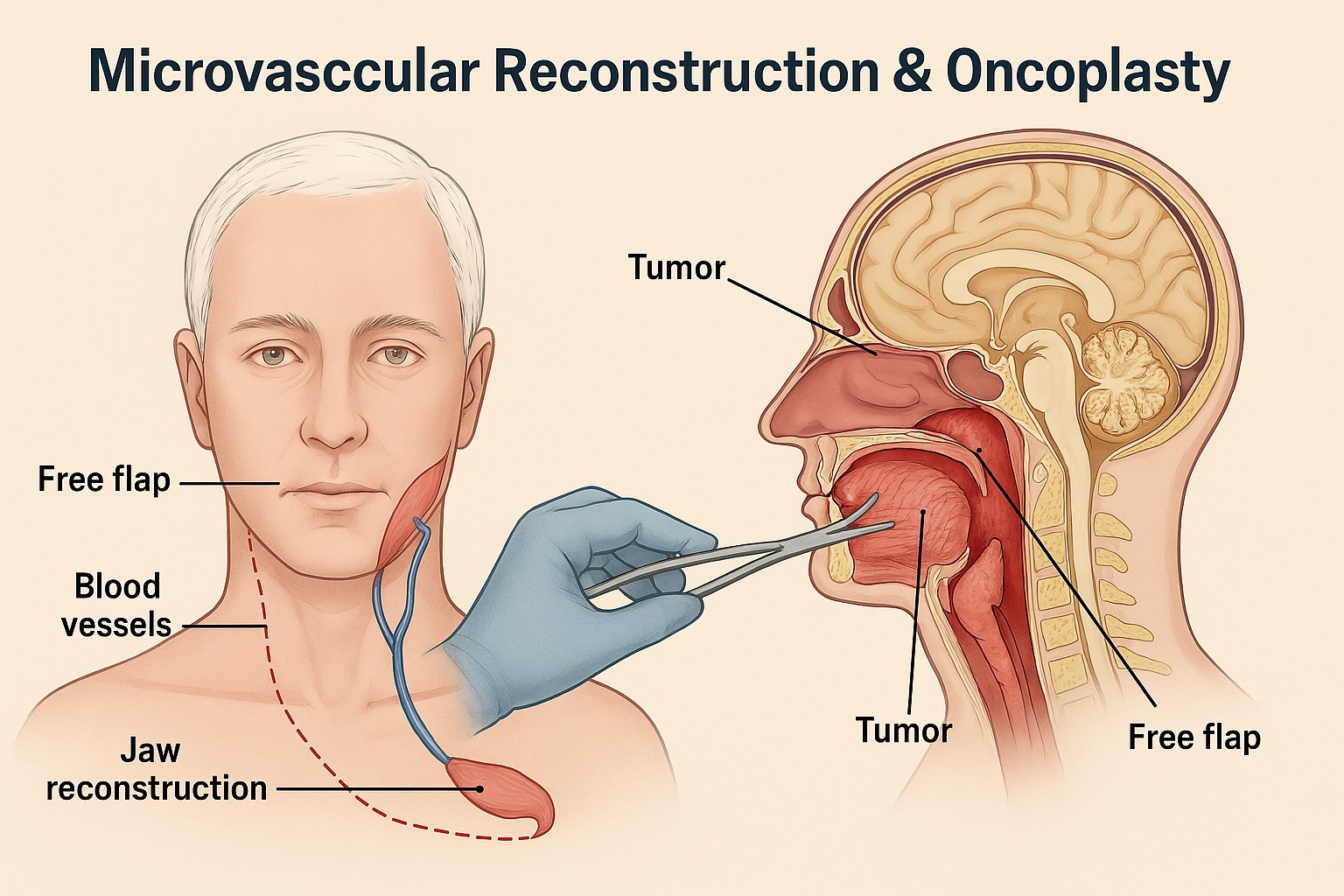
Cancer treatment, especially for head and neck cancers, often requires the removal of tumors that can affect essential functions such as speech, swallowing, and facial aesthetics. Dr. Dushyant Mandlik, a leading head and neck cancer surgeon, specializes in Microvascular Reconstruction & Oncoplasty, ensuring not just cancer removal but also functional and aesthetic restoration.

What is Microvascular Reconstruction?

Microvascular reconstruction is an advanced surgical technique that involves transplanting tissues, blood vessels, and bones from other parts of the body to rebuild areas affected by cancer surgery. These grafts restore functionality and appearance, improving the patient’s quality of life.
Commonly Used Free Flaps in Reconstruction:

🔹 Fibular Free Flap: For jawbone (mandible) reconstruction
🔹 Radial Forearm Flap: For tongue, oral cavity, or throat defects
🔹 Anterolateral Thigh (ALT) Flap: For large soft tissue defects
🔹 Scapular Free Flap: For complex jaw and facial reconstructions

What is Oncoplastic Surgery?

Oncoplasty combines oncologic tumor removal with reconstructive plastic surgery to restore cosmetic and functional outcomes after cancer surgery. This technique is especially beneficial for cancers affecting the face, oral cavity, and throat, where appearance and function are critical.
Commonly Used Free Flaps in Reconstruction:

🔹 Preserves facial symmetry and aesthetics
🔹 Enhances speech and swallowing ability
🔹 Minimizes scarring for better cosmetic results
🔹 Improves post-surgical healing and recovery

Types of Microvascular & Oncoplastic Procedures

1. Jaw (Mandibular) Reconstruction:
  • Fibular free flap surgery to rebuild the jaw after cancer removal
  • Restores chewing and speech functions
2. Tongue & Oral Cavity Reconstruction:
  • Radial forearm or thigh flap for tongue reconstruction
  • Helps in speech and swallowing rehabilitation
3. Facial Soft Tissue & Skin Reconstruction:
  • ALT or scapular flaps for large tissue defects
  • Restores facial structure and aesthetics
4. Voice Box (Larynx) & Throat Reconstruction:
  • Pectoralis major flap for throat repair
  • Tracheoesophageal voice prosthesis (TEP) for speech restoration

Why Choose Dr. Dushyant Mandlik?

Expert in Head & Neck Cancer Reconstruction.
Pioneer in Microvascular & Oncoplastic Techniques.
Customized Treatment Plans for Every Patient.
Cutting-Edge Surgical Technology.

Schedule Your Consultation Today

Early diagnosis saves lives! If you are experiencing any suspicious symptoms or need a second opinion, book an appointment with Dr. Dushyant Mandlik today.

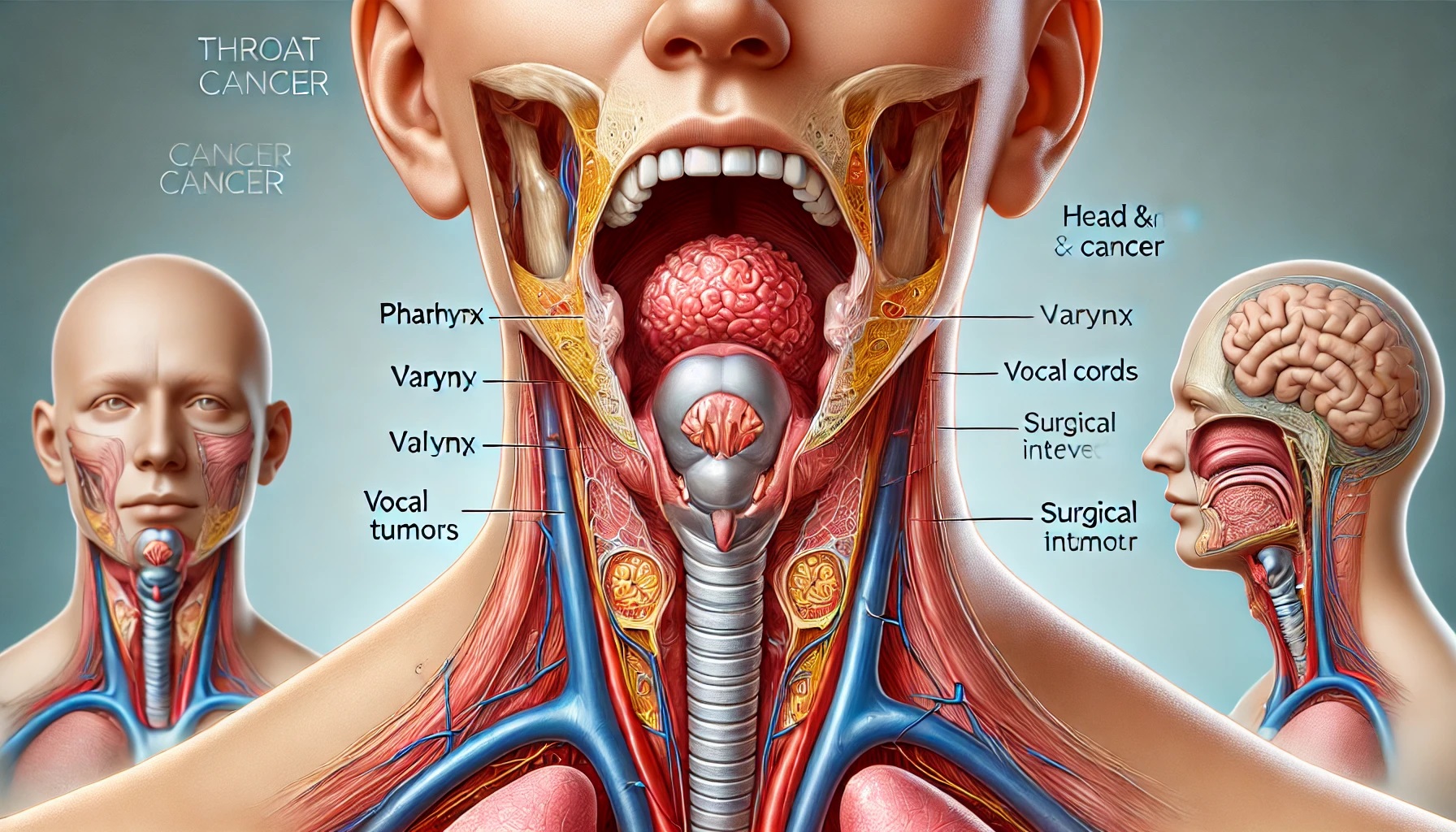
Throat cancer refers to malignant tumors that develop in the pharynx (throat), larynx (voice box), or surrounding areas. Early detection and specialized care are crucial for effective treatment and improved outcomes.​

Types of Throat Cancer

Throat cancer encompasses several specific types, including:​ 
– Laryngeal Cancer
  • Affects the larynx or voice box, leading to symptoms like hoarseness and breathing difficulties.
– Nasopharyngeal Cancer
  • Occurs in the nasopharynx, the area behind the nose and above the back of the throat.
– Oropharyngeal Cancer
  • Develops in the oropharynx, which includes parts of the throat just behind the mouth, including the tonsils and base of the tongue.
– Hypopharyngeal Cancer
  • Affects the hypopharynx, the lower part of the throat surrounding the larynx.

Diagnostic Approaches

Accurate diagnosis involves a combination of:​

01

Physical Examination

✔Assessment of the throat, neck, and lymph nodes.
02

Endoscopy & Biopsy

✔ Using a flexible tube with a camera to view the throat's interior.
✔ Removing a small tissue sample for laboratory analysis to confirm cancer presence.​
03

Imaging Tests

✔ CT scans, MRI, and PET scans to determine the extent of cancer spread.

Risk Factors

Several factors can increase the risk of developing throat cancer, including:​ 
  • Tobacco Use: Smoking cigarettes, cigars, pipes, or using smokeless tobacco products.​
  • Excessive Alcohol Consumption: Regular and heavy intake of alcohol.​
  • Human Papillomavirus (HPV) Infection: Certain strains of HPV have been linked to throat cancers.​
  • Poor Nutrition: Diets lacking in essential vitamins and minerals.​
  • Exposure to Asbestos and Other Industrial Chemicals: Occupational hazards can contribute to risk.
  • Gastroesophageal Reflux Disease (GERD): Chronic acid reflux may damage the lining of the throat.

Treatment Options

Treatment plans are tailored based on the cancer's type, stage, and patient's overall health. Common treatments include:​
Surgery:
  • Removal of the tumor and possibly some surrounding tissue. Minimally invasive techniques, such as robotic-assisted surgery, may be utilized for precision and quicker recovery.
Radiation Therapy:
  • High-energy beams target and destroy cancer cells.
Chemotherapy:
  • Drugs administered to kill or halt the growth of cancer cells, often used in conjunction with radiation.
Targeted Therapy:
  • Medications that specifically attack cancer cell mechanisms.

Expert Care with Dr. Dushyant Mandlik

Dr. Dushyant Mandlik is a distinguished surgical oncologist specializing in the management of benign and malignant tumors in the head and neck region. His expertise encompasses:​

Minimally Invasive Robotic Surgeries:
  • Utilizing advanced robotic systems for precise tumor removal with reduced recovery times.​
Comprehensive Head and Neck Cancer Management:
  • Addressing cancers of the mouth, pharynx, larynx, sinuses, thyroid, parathyroid, and salivary glands.
Reconstructive Surgeries:
  • Focusing on restoring function and appearance post-tumor removal to enhance patients’ quality of life.

For individuals experiencing symptoms or seeking specialized care for throat cancer, consulting with Dr. Mandlik ensures access to personalized and advanced treatment strategies. 

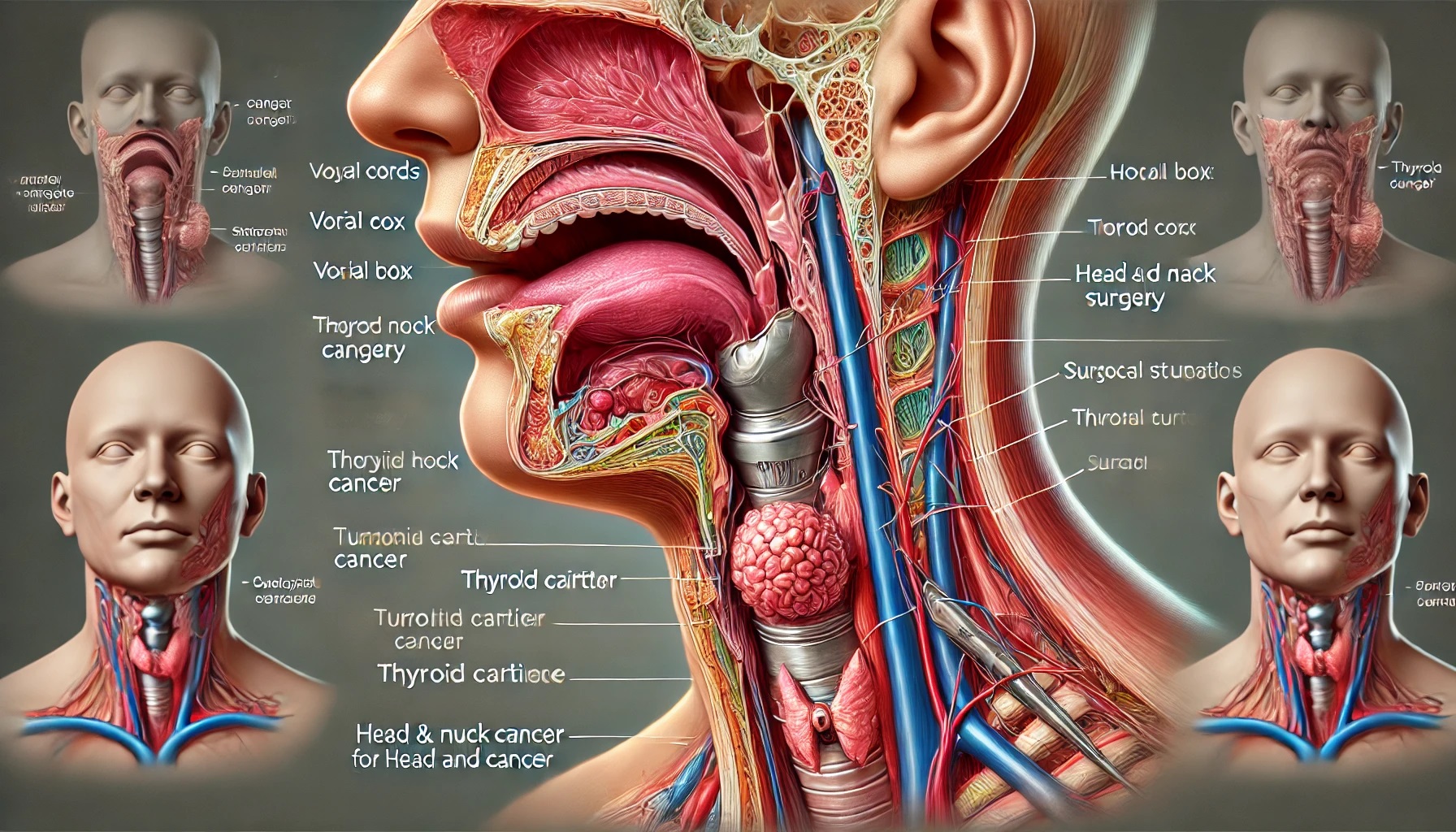
Laryngeal cancer originates in the larynx, commonly known as the voice box, located in the throat. The larynx plays a crucial role in breathing, speaking, and swallowing. Early detection and specialized care are vital for effective treatment and improved outcomes.

Risk Factors

Several factors can increase the risk of developing laryngeal cancer, including:
  • Tobacco Use: Smoking cigarettes, cigars, pipes, or using smokeless tobacco products significantly elevates the risk.
  • Excessive Alcohol Consumption: Regular and heavy intake of alcohol, especially when combined with tobacco use, further increases the risk.
  • Human Papillomavirus (HPV) Infection: Certain strains of HPV have been linked to laryngeal cancers.
  • Age and Gender: Laryngeal cancer is more common in individuals over the age of 60 and is more prevalent in men than women.
  • Exposure to Asbestos and Other Industrial Chemicals: Occupational hazards can contribute to risk.
  • Occupational Exposure: Prolonged exposure to harmful substances such as asbestos and other industrial chemicals can contribute to the development of laryngeal cancer.

Diagnostic Approaches

Accurate diagnosis involves a combination of:

01

Physical Examination

✔ Assessment of the throat, neck, and lymph nodes.
02

Endoscopy & Biopsy

✔ Using a flexible tube with a camera to view the larynx's interior.
✔ Removing a small tissue sample for laboratory analysis to confirm cancer presence.
03

Imaging Tests

✔ CT scans, MRI, and PET scans to determine the extent of cancer spread.

Treatment Options for Laryngeal (Voice Box) Cancer

Treatment plans are tailored based on the cancer's type, stage, and patient's overall health. Common treatments include:
Surgery:
  • Removal of the tumor and possibly some surrounding tissue. Minimally invasive techniques, such as robotic-assisted surgery, may be utilized for precision and quicker recovery.
Radiation Therapy:
  • High-energy beams target and destroy cancer cells.
Chemotherapy:
  • Drugs administered to kill or halt the growth of cancer cells, often used in conjunction with radiation.
Targeted Therapy:
  • Medications that specifically attack cancer cell mechanisms.

Expert Care with Dr. Dushyant Mandlik

Dr. Dushyant Mandlik is a distinguished surgical oncologist specializing in the management of benign and malignant tumors in the head and neck region. His expertise encompasses:​

Minimally Invasive Robotic Surgeries:
  • Utilizing advanced robotic systems for precise tumor removal with reduced recovery times.​
Comprehensive Head and Neck Cancer Management:
  • Addressing cancers of the mouth, pharynx, larynx, sinuses, thyroid, parathyroid, and salivary glands.
Reconstructive Surgeries:
  • Focusing on restoring function and appearance post-tumor removal to enhance patients’ quality of life.

For individuals experiencing symptoms or seeking specialized care for throat cancer, consulting with Dr. Mandlik ensures access to personalized and advanced treatment strategies. 

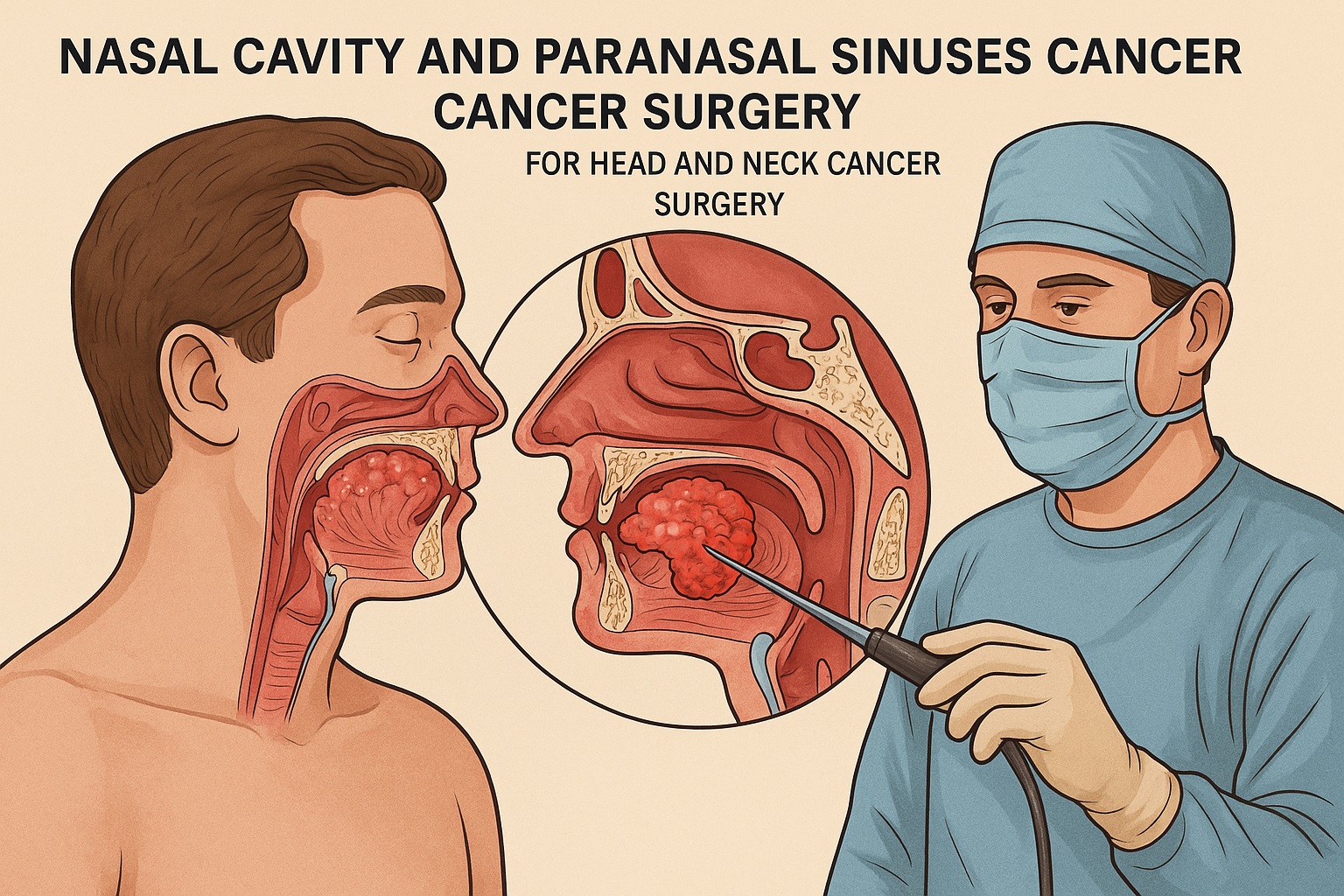
Nasal cavity and paranasal sinus cancers are malignancies that develop in the nasal passages or the sinuses surrounding the nose. These cancers are relatively rare and often diagnosed at advanced stages due to their subtle and nonspecific symptoms. Early detection and specialized treatment are crucial for improving patient outcomes.

Symptoms of Nasal Cavity and Paranasal Sinus Cancers

Symptoms can be nonspecific and may include:

✔ Nasal Congestion: Persistent blockage, often on one side.
✔ Nosebleeds: Unexplained or frequent bleeding.
✔ Facial Pain or Numbness: Particularly around the eyes or upper teeth.
✔ Lump or Mass: In the face, nose, or palate.
✔ Vision Changes: Double vision or loss of vision.
✔ Ear Pain or Fullness: Due to blockage of the Eustachian tube.

*If you experience any of these symptoms persistently, it’s essential to consult a healthcare professional for evaluation.*

Risk Factors of Nasal Cavity and Paranasal Sinus Cancers

Several factors can increase the risk of developing laryngeal cancer, including:
  • Tobacco Use: Smoking cigarettes, cigars, or pipes.
  • Exposure to Industrial Chemicals: Prolonged exposure to substances like wood dust, nickel, chromium, and formaldehyde.
  • Human Papillomavirus (HPV) Infection: Certain strains of HPV have been linked to an increased risk.
  • Age and Gender: More common in individuals aged 45 to 85 and slightly more prevalent in men.

Diagnostic Approaches

Accurate diagnosis involves:

01

Physical Examination

✔ Assessment of the head and neck region.
02

Nasal Endoscopy & Imaging Studies

✔ Using a flexible scope to visualize the nasal passages and sinuses.
✔ CT scans, MRI, and PET scans to determine tumor size and spread.
03

Biopsy

✔ Sampling tissue for histopathological analysis.

Treatment Options

Treatment plans are individualized based on the cancer's stage, location, and the patient's overall health. Common treatments include:
Surgery:
  • Removal of the tumor and affected tissues. Minimally invasive techniques, such as endoscopic or robotic-assisted surgeries, may be employed for precision and reduced recovery times.
Radiation Therapy:
  • High-energy beams target and destroy cancer cells, often used post-surgery or as a primary treatment in inoperable cases.
Chemotherapy:
  • Systemic drugs to kill or inhibit cancer cell growth, typically used in advanced stages or combined with radiation.

Expert Care with Dr. Dushyant Mandlik

Dr. Dushyant Mandlik is a distinguished surgical oncologist specializing in the management of benign and malignant tumors in the head and neck region, including nasal cavity and paranasal sinus cancers. His expertise encompasses:

Minimally Invasive Robotic Surgeries:
  • Utilizing advanced robotic systems for precise tumor removal with reduced recovery times.
Comprehensive Head and Neck Cancer Management:
  • Addressing cancers of the mouth, pharynx, larynx, sinuses, thyroid, parathyroid, and salivary glands.
Reconstructive Surgeries:
  • Focusing on restoring function and appearance post-tumor removal to enhance patients’ quality of life.

For individuals experiencing symptoms or seeking specialized care for nasal cavity and paranasal sinus cancers, consulting with Dr. Mandlik ensures access to personalized and advanced treatment strategies.

Parathyroid glands are four small glands located in the neck, adjacent to and behind the thyroid gland. They play a crucial role in regulating the body’s calcium and phosphorus levels. Overactivity of these glands can lead to hyperparathyroidism, resulting in elevated calcium levels in the blood.

Parathyroid Adenomas

  • The most common type of parathyroid tumor
  • Typically noncancerous (benign) growths in one of the four parathyroid glands
  • Cause primary hyperparathyroidism by overproducing parathyroid hormone (PTH), leading to high calcium levels (hypercalcemia)
  • Usually occur in a single gland but can occasionally affect multiple glands
services

Parathyroid Cancer

  • A rare but aggressive cancer of the parathyroid glands
  • Can cause extreme hypercalcemia due to excessive PTH production
  • May invade nearby tissues and spread (metastasize) to lymph nodes, lungs, or other organs
  • More difficult to treat compared to benign adenomas

Other Rare Conditions

  • Atypical Parathyroid Tumors – These tumors show some features of malignancy but do not meet all the criteria for parathyroid carcinoma.

  • Parathyroid Hyperplasia – This is not a tumor but an enlargement of all four glands, sometimes confused with adenomas. It occurs in conditions like Multiple Endocrine Neoplasia (MEN) syndromes.

services

Diagnostic Approaches:

Accurate diagnosis of parathyroid disorders involves a combination of:

01

Blood Tests

To assess calcium and parathyroid hormone levels.
02

Ultrasound

A non-invasive imaging technique to evaluate the thyroid and parathyroid glands.
03

CT Scan

High-resolution imaging used when ultrasound results are inconclusive, helping to locate parathyroid tumors.

Symptoms of Parathyroid Disorders:

Elevated calcium levels due to parathyroid disorders can manifest through various symptoms, including: 

Treatment Options

The primary treatment for parathyroid tumors, whether benign or malignant, is surgical removal. Minimally invasive parathyroid surgery is often employed, especially for adenomas, to alleviate symptoms and prevent complications associated with elevated calcium levels. In cases of parathyroid cancer, more extensive surgical intervention may be required.

Expertise of Dr. Dushyant Mandlik

Dr. Dushyant Mandlik is a highly experienced surgical oncologist specializing in the management of both benign and malignant tumors in the head and neck region. His areas of expertise include tumors of the mouth, pharynx (throat), larynx (voice box), sinuses, salivary glands, thyroid, and parathyroid glands. Dr. Mandlik is proficient in performing minimally invasive surgeries, including robotic-assisted procedures, and has a special interest in reconstructive surgeries following head and neck cancer treatments. citeturn0search3

For individuals experiencing symptoms related to parathyroid disorders or seeking specialized care for head and neck tumors, consulting with an expert like Dr. Mandlik can provide comprehensive evaluation and personalized treatment strategies.